This is a presentation from Smithsonian Channel and this episode features Dennis Haysbert telling not only of his ancestors, but the history of slavery, and the Civil War from the perspective of an African American. This presentation tells many different stories. Among other things it tells where the term "Sold down the River" came from. Slaves were considered property, not people. In fact, the value of slaves was about $3 billion, which was an incredible amount of money at the time, worth more than all the real estate of the area. "Being sold down the river" referred to being sold south, where the work was usually more grueling, the life expectancy much shorter, and families almost always separated. It was against the law to teach a slave to read. The thought was if a slave could read then he would want more. A great fear of those living in the South was a slave revolt. Nat Turner had actually lead a revolt, and 50 citizens were killed. Of course 200 blacks were killed in retribution, but the South lived in fear. Many of the African Americans risked so much. Harriet Tubman risked her own self, spying for the Union, and directing the Union men on some occasions in their pursuit of the enemy. This movie points out how the Ciivil War was sandwiched between two illegal events, the attack on Harpers Ferry, and the assassination of President Lincoln. John Wilkes Booth was at the first event, and perpetrated the second.
This movie of course also talked about how General Ben Butler first refused to return runaway slaves, saying they were contraband of war. In the end President Lincoln backed him. It describes the Emancipation Proclamation, and lastly talks about Black troops. The risk for Black troops was much greater, because the Confederacy did not take them prisoner, but killed them. A Black Soldier had to be better than the rest. There was prejudice against them. They received less pay for the same work.
Showing posts with label Smithsonian TV. Show all posts
Showing posts with label Smithsonian TV. Show all posts
Sunday, June 26, 2016

Thursday, June 23, 2016
Documentary Review: Civil War 360: The Confederacy: Trace Adkins
This is a very poignant presentation of the Civil War from the perspective of the South. Trace Adkins' great-great grandfather served for the South, and was part of the defense of Vicksburg. He was one of the 30,000 soldiers surrender to General Ulysses Grant. Adkins tells other stories from the South. This includes the presentation of the superiority of the calvary, and the ability of the calvary to attack well behind enemy lines, and bring back supplies. There is also a presentation of the music of the war. Maryland, was written as a response to the attacks in Baltimore when civilians were rioting against federal troops. There is also a section on Jefferson Davis, and his younger wife.
I think the most poignant part of the film was viewing a portrait of General Robert E. Lee. Adkins points out that there is sadness in his eyes. Lee was prepared to lead the union, and did not want Virginia to secede. However when it did, he decided he could not raise his sword against Virginia.
I think the most poignant part of the film was viewing a portrait of General Robert E. Lee. Adkins points out that there is sadness in his eyes. Lee was prepared to lead the union, and did not want Virginia to secede. However when it did, he decided he could not raise his sword against Virginia.
Tuesday, June 21, 2016
Documentary Review: Civil War 360 The Union: Smithsonian Channel
Ashley Judd is the narrator for this episode that looks at artifacts from the side of the North. Judd tells the stories of her ancestors who were in the war. One was wounded and lost his leg. One of the interesting things of this film is the look at a doctor kit and what things would have been available. there were some pain killers, there were not antibiotics. They unfold "Old Glory" a large flag, which was hid during the war as it had stars for all the states. There is a very nice look at some of the artifacts on display from Appomattox Court House. This includes the table and chairs. I remember seeing these in person when the Smithsonian came to San Jose many years ago. Another thing that made this war more real was looking at the pictures some of the soldiers kept. Pictures were an important part of the war, with embedded artists drawing action scenes, and photographers documented the aftermath, which often included bodies.
The New York riots as a result of the draft must have been horrendous; especially for African Americans. A unit of regular soldiers had to but a stop to things, but over 200 people had died. I really enjoyed this movie. It did not rely on actors, but on artifacts which are only found in the Smithsonian. Although there were at times actors showing what happened.
A tidbit is the presentation of molds of Abraham Lincoln's hands after his death. he had very large hands. We are also shown pictures of some of the women who fought in the Civil War, disguising themselves as men. There were at least 20.
The New York riots as a result of the draft must have been horrendous; especially for African Americans. A unit of regular soldiers had to but a stop to things, but over 200 people had died. I really enjoyed this movie. It did not rely on actors, but on artifacts which are only found in the Smithsonian. Although there were at times actors showing what happened.
A tidbit is the presentation of molds of Abraham Lincoln's hands after his death. he had very large hands. We are also shown pictures of some of the women who fought in the Civil War, disguising themselves as men. There were at least 20.
Monday, December 14, 2015
Documentary Review: The Seven Dwarfs of Auschwitz
This documentary is presented by Smithsonian Channel and is narrated by Warwick Davis. Davis talks about his desire to find out more of the Ovitz family, and the seven dwarf entertainers from the family. It mentions that the
 Ovitz family is about the only family to survive in tack from Auschwitz. However I wasn't sure if this meant just the dwarfs or the entire family. Their father was a dwarf, but their two mothers were not dwarfs, and there were a three non dwarf siblings. They were from Eastern Europe, Rosavlea, Romania in the Transylvania area. They became entertainers, because this was an industry that would accept little people. Many dwarfs became part of freak shows; however the Ovitz family were regular profession entertainers. They played musical instruments. They were also accomplished actors. They stood out from other acts of the time, and when they went on tour many came to see them. They performed in Hungary, Romania and Czechoslovakia. They became an act of short people, rather than short performers.
However the Ovitz family was caught in the Nazi obsession with anyone who was different. Not only were the Jewish, but also dwarfs. When they arrived at Auschwitz, they would have been marked for death, but Dr. Josef Mengele, the "Doctor of Death" took an interest in them, and chose them for experimentation. They were subject to many strange experiments. They were subject to strange experimentation and torture, which preserved themselves for some months. However 100 dwarfs were killed at Auschwitz. Their ability to entertain would preserve them beyond this, as the Nazis also had a fascination with fine entertainment. 5000 people were being killed and burn daily. They were released when Auschwitz was liberated in January 1945, which was eight months after they had arrived. Mengele fled with most of the other officers of Auschwitz. They survived but carried the nightmare with them. They returned to entertaining after the war.
 Ovitz family is about the only family to survive in tack from Auschwitz. However I wasn't sure if this meant just the dwarfs or the entire family. Their father was a dwarf, but their two mothers were not dwarfs, and there were a three non dwarf siblings. They were from Eastern Europe, Rosavlea, Romania in the Transylvania area. They became entertainers, because this was an industry that would accept little people. Many dwarfs became part of freak shows; however the Ovitz family were regular profession entertainers. They played musical instruments. They were also accomplished actors. They stood out from other acts of the time, and when they went on tour many came to see them. They performed in Hungary, Romania and Czechoslovakia. They became an act of short people, rather than short performers.
 However the Ovitz family was caught in the Nazi obsession with anyone who was different. Not only were the Jewish, but also dwarfs. When they arrived at Auschwitz, they would have been marked for death, but Dr. Josef Mengele, the "Doctor of Death" took an interest in them, and chose them for experimentation. They were subject to many strange experiments. They were subject to strange experimentation and torture, which preserved themselves for some months. However 100 dwarfs were killed at Auschwitz. Their ability to entertain would preserve them beyond this, as the Nazis also had a fascination with fine entertainment. 5000 people were being killed and burn daily. They were released when Auschwitz was liberated in January 1945, which was eight months after they had arrived. Mengele fled with most of the other officers of Auschwitz. They survived but carried the nightmare with them. They returned to entertaining after the war.
Thursday, November 26, 2015
Secrets of the Third Reich: Hitler's Madness
This documentary form the Smithsonian Channel looks at the question, Was Hitler Mad? After WWI Hitler was hospitalized with temporary blindness due to mustard gas. He was also at a hospital that also treated battle fatigue and venereal diseases. From this incident there is the hint that Hitler may have been treat for both. However the official record indicates his treatment was limited to gas poisoning. Hitler may have had battle fatigue as a result.
However, Hitler did have other ailments during the war. A noted one was flatulence. This may have been because of Hitler's vegetarian diet. His doctor, Theodor Morell prescribed aggressive medication for treatment, which included arsenic. Morell had his own health issues with obesity and poor hygiene. However Hitler trusted him. He also provided methamphetamine to Hitler. During the war, a form of methamphetamine was often given to Nazi soldiers so they could fight longer and have less fear. At one time Hitler had sinus infection, and this was treated with an inhaler which included cocaine. Hitler enjoyed this treatment.
Towards the end of the war, this is a film of Hitler honoring troops. Parts of the film were hidden because Hitler had obvious signs of Parkinson's. His hand was shaking and he kept it behind his back.
The conclusion is that Hitler was not mad. His decisions could not be blamed on a mental illness; but on his own ideas.
However, Hitler did have other ailments during the war. A noted one was flatulence. This may have been because of Hitler's vegetarian diet. His doctor, Theodor Morell prescribed aggressive medication for treatment, which included arsenic. Morell had his own health issues with obesity and poor hygiene. However Hitler trusted him. He also provided methamphetamine to Hitler. During the war, a form of methamphetamine was often given to Nazi soldiers so they could fight longer and have less fear. At one time Hitler had sinus infection, and this was treated with an inhaler which included cocaine. Hitler enjoyed this treatment.
Towards the end of the war, this is a film of Hitler honoring troops. Parts of the film were hidden because Hitler had obvious signs of Parkinson's. His hand was shaking and he kept it behind his back.
The conclusion is that Hitler was not mad. His decisions could not be blamed on a mental illness; but on his own ideas.
Wednesday, November 25, 2015
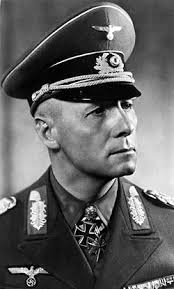
Documentary Review: Secrets of the Third Reich: Hitler's General
Thursday, November 12, 2015
Documentary Review: Hitler's RIches
The theme of this documentary is that Hitler was a billionaire. However, his will only accounted for about 60,000 dollars (much more in today's money but not a billion dollars. Most of his wealth was hidden in properties and artworks. He purchased the artwork, at bargain prices from artwork confiscated by the German government for the Nazi Party. Most of this artwork was stored in an old salt mine because of the natural characteristic of the mine to preserve items. However, most of his wealth was in properties. Hitler had over 100 properties, many in pristine locations.
He had begun his accumulation of wealth through royalties on his book Mein Kampf (My Struggle). The German government required all new married couples in Germany to receive a copy of this book, which was purchased by the government, and the royalties going to Hitler. This resulted in a government sponsored source of income for Hitler. However the ability to purchase properties, furniture and artworks at whatever price he chose to pay lead to a great accumulation of wealth. The will he left was a public gesture, to show the people he had very little, and gave what he had back to the government and the Nazi Party.
He had begun his accumulation of wealth through royalties on his book Mein Kampf (My Struggle). The German government required all new married couples in Germany to receive a copy of this book, which was purchased by the government, and the royalties going to Hitler. This resulted in a government sponsored source of income for Hitler. However the ability to purchase properties, furniture and artworks at whatever price he chose to pay lead to a great accumulation of wealth. The will he left was a public gesture, to show the people he had very little, and gave what he had back to the government and the Nazi Party.
Subscribe to:
Posts (Atom)